
Are Primary Schools Still Creative?
- info64141
- Jan 29
- 2 min read
Creativity has long been recognised as an essential part of primary education. Art, in particular, supports children’s confidence, problem-solving skills and self-expression. It is still firmly embedded in the National Curriculum, but how it looks in practice can vary greatly from school to school.
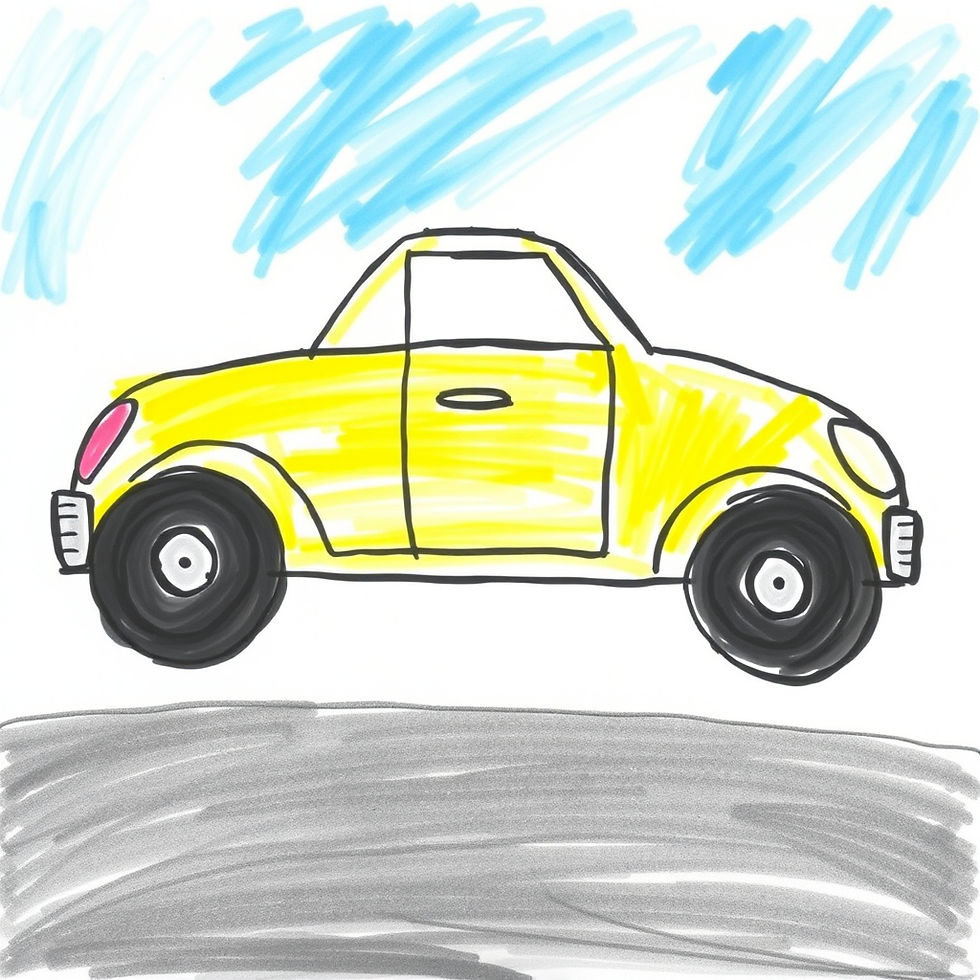
Art in the Primary Classroom Today
Most primary schools aim to offer a broad and balanced curriculum, and art remains an important component. Many schools plan regular art lessons and build progression in skills such as drawing, painting, sculpture and learning about artists. In these settings, creativity is clearly valued and visible.
However, there is no fixed national requirement for how much time must be spent on art each week. As a result, the amount of art taught can differ widely. Some schools manage to protect regular creative time, while others find it harder to do so alongside increasing pressures on literacy, numeracy and assessment.
Creativity Beyond the Art Lesson
Creativity in primary schools isn’t limited to art lessons alone. Teachers often bring creative approaches into topic work, literacy and even science encouraging children to think imaginatively and work collaboratively. For many schools, creativity is seen as a way of learning, not just a subject.
That said, this approach relies heavily on teacher confidence. Many primary teachers are non-specialists in art, and without training or support, it can be challenging to plan and deliver engaging, skills-based art lessons consistently.
Supporting Teachers to Keep Creativity Alive
This is where professional development plays a vital role. High-quality CPD can help teachers feel more confident using materials, teaching techniques and assessing progression in art. When teachers feel supported, art is more likely to become a regular, meaningful part of school life rather than an occasional activity.
At Art-Room, we see first-hand how practical, hands-on CPD can empower teachers to embed creativity more confidently across the curriculum benefiting both staff and pupils. By supporting teachers, schools are better able to sustain creative learning even within a busy timetable.
A Balanced Picture
So, are primary schools still creative? The answer is yes — but with challenges. Art is still valued and taught, yet time pressures and varying levels of teacher confidence affect how consistently it appears. With the right support, training and encouragement, creativity can continue to thrive at the heart of primary education.


Comments