
Teaching Art in Primary Schools: Why Making Matters More Than Talking
Teaching Art in Primary Schools: Learning by Doing, Talking by Thinking
Art lessons in primary schools should be vibrant, thoughtful, and active. At their best, they are spaces where children are creating, questioning, and learning through doing, not sitting passively listening for long periods of time.
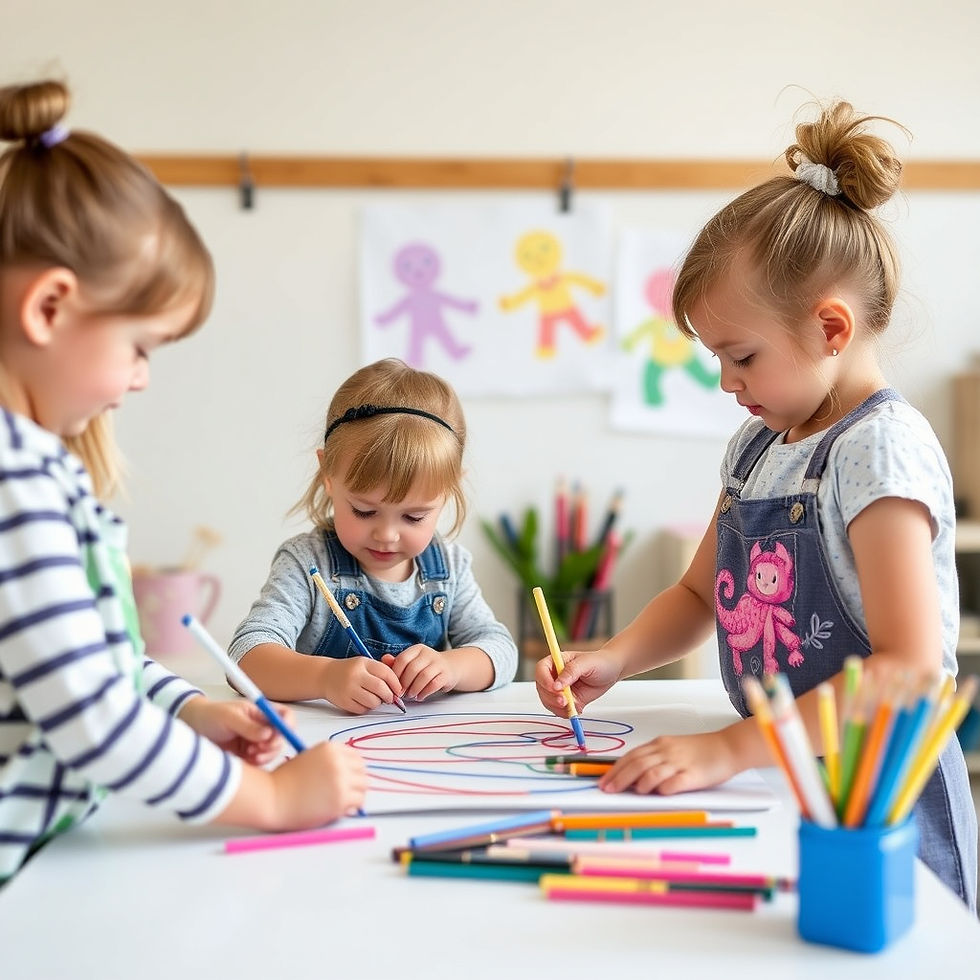
One of my core beliefs about teaching art is simple: children should be actively making art for the majority of the lesson. Ideally, around 80% of the time should be spent drawing, painting, building, or creating. Art is a practical subject, and it needs to be taught that way.
Why “Learning by Doing” Matters
This belief doesn’t just come from working with children, it also comes from teaching adults.
When adults attend a craft workshop, they’ve paid to make something. They expect a brief introduction, clear guidance, and then time to get stuck in. The most effective learning happens while they are working: experimenting, making mistakes, asking questions and solving problems as they go.
Children are no different.
Yet in some classrooms, a large portion of the art lesson is spent with the teacher at the front talking, explaining, or demonstrating for too long. While explanation has its place, art cannot be learned properly without sustained making time. Too much talking interrupts creative flow and limits opportunities for real learning.
The Role of Reading and Reports in Art Lessons

At the same time, reading is vitally important and art lessons can support this too.
Each of my art lessons includes a short report to read. These reports are not there to replace making art, but to spark curiosity, discussion, and thinking. They introduce ideas, artists, techniques, or themes in a way that encourages children to ask questions and talk to one another while they work.
This serves two important purposes:
It strengthens reading skills in a meaningful context.
It fuels purposeful conversation during practical work.
Encouraging the Right Kind of Classroom Talk
Conversation in art lessons is not a problem, in fact, it’s essential. But it should be the right kind of conversation. When children are engaged in discussion about the artwork they are making, techniques, ideas, choices, improvements, they are learning deeply. These conversations help them develop vocabulary, critical thinking and confidence in explaining their ideas.
Without this focus, conversations can easily drift towards topics better suited to the playground: games, Minecraft, or last night’s TV. By providing a shared starting point through a report, children have something meaningful to talk about while they work.
As adults, we instinctively understand this. In the workplace, we talk about work while we work — ideas, strategies, improvements. In our breaks, we talk about outside interests.
Learning how to have the right conversations in the right setting is a skill, and it needs to start in the classroom.
To Summerise: A Classroom Where Art Is Active
An effective art lesson is one where:
Teacher input is clear and concise
Children are actively creating for most of the lesson
Reading supports understanding, not replaces making
Talk is purposeful, calm, and relevant
Learning happens through doing, thinking, and discussing together
This approach creates an art room that feels busy, focused, and creative, exactly as it should.
Have you received support or training teaching art in school?
Yes
No
If you’re interested in art lessons that balance practical making, reading, and thoughtful discussion, I have designed a range of lessons available on my website. Each one includes a report to read alongside the creative task, supporting both artistic and wider learning.
You can explore them at👉 www.art-room.co.uk


Comments